The New Curriculum of Power: How a Tariff World Will Reshape Education
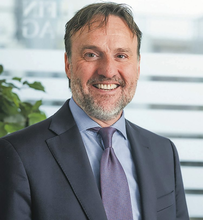
David O’Neill is a Professor of AI/Policy at the Gordon School of Business, SIAI, based in Switzerland. His work explores the intersection of AI, quantitative finance, and policy-oriented educational design, with particular attention to executive-level and institutional learning frameworks.
In addition to his academic role, he oversees the operational and financial administration of SIAI’s education programs in Europe, contributing to governance, compliance, and the integration of AI methodologies into policy and investment-oriented curricula.
Input
Modified
Trump 2.0 tariffs: 10% floor, 15% for dealmakers
Campus costs climb—labs, AI gear, construction—equity gaps widen
Plan for persistence: pool procurement, secure exemptions, fund aid and labs

We often hear that tariffs are a limited tool in trade. One number tells a broader story. Since April, the United States has been collecting around $30 billion more in tariffs each month than a few months earlier. This happened after introducing a universal 10% duty and extra “reciprocal” surcharges, raising average rates to levels unseen since the 1940s. This package is the most extensive tariff shock in a century, and it is not a temporary event. It is a policy that runs through bilateral deals, lowering rates for allies who agree to certain concessions, while raising costs for others. This is the system of Trump 2.0 tariffs: a price for entry, a discount for cooperation, and a bill that comes later through increased import costs, strained public budgets, and complicated choices at home. Education will face these consequences; it will clearly show where these choices affect funding.
How Trump 2.0 Tariffs Rewire Bargaining
The first change is structural. Trump 2.0 tariffs set a universal minimum of 10% on nearly all imports—and increase for specific partners and sectors. This isn't just about generating revenue; it is about leverage. When the collection began on April 5, and the higher “reciprocal” rates kicked in four days later, customs officials established a new baseline that governments and businesses had to take notice of. The message was clear: accept a unique deal, or face higher taxes at the U.S. border. This has led to a rush of one-off agreements, shifting from multilateral rules to one-on-one arrangements. This reverses decades of norm-setting at the WTO and solidifies a world where bilateral concessions reduce tariffs while everyone else pays the full amount. For government officials, the costs of delays are immediate in terms of prices and currency fluctuations; for universities, they are delayed but real, surfacing in procurement cycles and in the financial burden on students.
The second change is the inclusion of trade policy in broader security and industrial strategies. Take South Korea. After weeks of uncertainty, Washington and Seoul announced a deal that reduced U.S. tariffs on Korean cars and parts from 25% to 15%, bringing Korea in line with Japan’s rates. Markets reacted; the won strengthened following the news. Switzerland reached a similar outcome by securing a 15% rate and promising $200 billion in U.S. investments, illustrating the new cost of entry into the American market. India, on the other hand, faces a steeper challenge. U.S. tariffs as high as 50% on vital Indian exports now test New Delhi’s negotiating power and strategic independence. The pattern is clear: countries either lower tariffs by making concessions or bear the cost. The world’s largest education markets—by student numbers, research, and education technology—span both sides of this divide.

A third change is temporal. The benefits of these deals are immediate and visible—reduced tariffs, currency gains, and celebratory announcements. The costs of Trump 2.0 tariffs arrive gradually: inflation that central banks will label a one-off, declining trade terms, and a quiet redirection of public funds toward offsets and subsidies. In the U.S., the inflation impact has already attracted comment from the Fed, which notes that the tariff shock is a significant factor driving prices above expectations, even if this rise may not last. Meanwhile, U.S. trade officials claim they can generate about $200 billion in tariff revenues even if one legal foundation fails, highlighting how entrenched this policy has become. For educators and policymakers, the takeaway is that a persistent tariff world is now the new planning standard, not a situation to be outwaited.
The Hidden Education Costs of Trump 2.0 Tariffs
Education systems rely heavily on inputs and imports. Trump 2.0 tariffs raise the costs of scientific equipment, lab supplies, specialized software services, and everyday items that keep campuses operating. Universities that once stretched grants across multiple projects will now face price increases due to tariffs, adding to existing pressures on wages and energy costs. Procurement offices will feel the first impact. A microscope or GPU server delivered after April now costs more due to tariffs. Even when domestic options exist, the supply chain remains global. The 10% baseline acts like an ambient tax on the knowledge economy. The world's research universities are interconnected institutions; when the U.S. changes the entry price, the entire network must adjust.
Student mobility is next. As tariffs push inflation higher, family budgets feel the strain. Travel, housing, and consumer goods cost more. This increases demand for international scholarships right when endowments and public budgets must manage rising procurement costs. The pressure is uneven. Countries that negotiated rates down to 15% will see more minor impacts on their exporters, allowing them to maintain scholarship funding and campus development plans. Countries that did not secure deals will see tuition costs decline more quickly. The WTO’s latest outlook indicates that trade growth is positive but fragile, driven by early imports and sector-specific surges such as AI hardware. The key takeaway: Inflation and uneven tariff relief will directly impact who can afford to attend—and where. This volatility directly affects admissions predictions and research schedules. We should expect more last-minute deferrals, mid-year budget adjustments, and emergency procurement waivers.

There is a third aspect: curriculum and credentials. The tariff world favors those who can navigate rules about origins, border taxes, and standards. When the U.S. changes import prices and strikes bilateral agreements, the importance of trade compliance knowledge increases. This should influence what we teach and certify. Business schools and technical colleges will need to offer micro-credentials in tariff management, supply chain changes, data handling, and cross-border payments. Public policy schools need courses that simulate negotiations under a 10% baseline with options for reductions based on concessions. Law schools should focus on the limits of tariff authority and the legal landscape, including the use of emergency powers. These programs are crucial; in this environment, they lead to job opportunities.
Lastly, equity is crucial. Tariff-driven inflation acts like a consumption tax. It hits hardest on households that are least able to cope, including students who work while studying. Public colleges and vocational schools will face increased demands for fee freezes and technology subsidies. Key takeaway: Without targeted relief, higher costs risk deepening educational inequality. If policymakers expect institutions to bear higher import costs while also promoting equity, targeted relief is necessary. This might include tariff exemptions for key research inputs, temporary vouchers for high-cost consumables, or collective purchasing arrangements across public systems. Without these measures, we risk creating a silent austerity that cripples labs and raises dropout rates, when economies need more skilled workers.
A Playbook for Autonomy under Trump 2.0 Tariffs
The first rule is to treat tariffs as a long-term baseline, not a short-term shock. Budgets should plan for a 10% import surcharge plus sector-specific tariffs as the standard, with additional scenarios for bilateral relief. Capital plans that presume pre-2025 price levels will likely lead to significant deficits. Institutions should renegotiate supplier contracts to include tariff-sharing arrangements and, where possible, secure currency hedges. National ministries can support this by releasing ongoing “tariff pass-through” tables for standard educational inputs, such as GPUs, lab microscopes, reagents, HVAC units, and networking equipment. If finance ministries publish weekly duty-inclusive price ranges, universities can time purchases to avoid spikes caused by early imports or shipping delays reported by the WTO. This may not be attractive work, but in a Trump 2.0 tariffs world, it is strategic.
The second rule is to lower rates without compromising the mission. Switzerland and South Korea represent one approach: targeted concessions and significant investment commitments in exchange for a 15% tariff cap. While not every country can or should mirror that, many can enter into agreements that leave room for academic freedom and research integrity. A narrow industrial focus on clean technology manufacturing doesn’t have to interfere with campus governance. When national agreements are lacking, institutions can create purchasing groups that shift orders to countries with tariffs under 15%, lowering costs without altering national policies. When campuses collaborate, their collective orders create reliable demand, attracting suppliers willing to adjust origin rules or reroute shipments to minimize tariff impacts.
The third rule is to diversify teaching methods and pathways. If visas become a challenge in a tariff-driven environment, programs should develop dual-site or modular degrees with partners in tax-favored regions. Courses can be replicated across campuses, allowing a student facing financial barriers or paperwork issues to complete essential modules at home and later join specialized labs in the U.S. or allied locations. Ed-tech companies should develop “tariff-aware” procurement systems that track landed costs in real time and suggest alternatives. Governments can use the substantial tariff revenue to establish education stabilization funds that protect financial aid and support updates to research equipment. If tariff policies generate public revenue, some of it should help stabilize the knowledge system that keeps the economy competitive.
The fourth rule is to reassess risk and ethics. Tariff leverage often coincides with pressure on data sharing and content policies. When bilateral agreements tie tariff relief to security or platform regulations, campus leaders must recognize the additional commitments that accompany them. Policy schools can assist by creating decision labs that evaluate potential agreements: What does a 15% tariff corridor mean for procurement independence? How does a “friendshored” supply chain impact minority suppliers? These questions are not theoretical; they have practical implications. Understanding these issues preserves financial stability and academic freedom amid Trump 2.0 tariffs.
Anticipating the Pushback on Trump 2.0 Tariffs
Critics argue that tariffs are temporary and prices will adjust. Some central bankers suggest that the inflation wave is a one-time issue, not a long-term trend. They may be right about the trajectory, but the overall change matters for education. An immediate spike in the cost of servers, microscopes, and construction materials establishes a higher baseline for years to come. When the Fed or other central banks eventually declare success, universities will still be paying for buildings assessed at inflated prices due to tariffs. And if U.S. policymakers claim they can replace $200 billion in revenue through alternative laws, even if the courts reject one, the chances of the tariff system lasting increase. Educators and officials should plan for this reality, welcome relief if it appears, and avoid relying on a tariff that is set to expire soon.
Others may argue that Trump 2.0 tariffs have succeeded in negotiating lower rates to 15% for key partners while pressuring countries that lag—so what is the issue? The issue lies in distribution. The agreements favor countries with the capacity to make significant commitments and industries that can quickly adapt their supply chains. Smaller nations and less-resourced institutions deal with rising import costs without the power to negotiate. India illustrates the challenge: with tariffs reaching as high as 50% on its exports, New Delhi must either accept concessions that compromise other goals or navigate a worsening trade situation. In this system, education in lower-income areas suffers. Their students face rising costs, and their universities struggle to attract top researchers who require globally sourced tools. A fair solution cannot simply be “negotiate like Switzerland.” It must involve collaborative purchasing, targeted exemptions for essential learning tools, and international safeguards that prevent a race to lower access to knowledge resources.
A final point of contention is that global trade volumes continue to grow, suggesting that the impact is exaggerated. The WTO’s latest report indeed shows fragile but positive growth, driven by ahead-of-schedule imports and increases in AI-related products. However, this trend serves as a cautionary note for educators. Sudden surges in front-loading can create backlogs and price spikes, disrupting academic planning. Labs that once waited a quarter for equipment now face delays of two quarters, and prices can fluctuate dramatically between order placement and delivery. Growth can exist alongside instability that undermines teaching and research timelines. The critical measure for universities is not year-on-year trade growth; it is the dependability and cost of the specific resources necessary for education and research. In that regard, the current tariff world is lacking.
We began with a number: $30 billion in extra tariffs every month. That figure captures the scale of a policy that has turned trade into a menu of alignment prices. It also points to what comes next. The benefits of bespoke deals under Trump 2.0 tariffs are clear: lower rates for those who pledge, a stronger currency on announcement day, and a win for the press release. The cost is slower but higher: higher landed prices, stressed education budgets, narrower pipelines for talent and research, and new ethical trade-offs as tariff relief bundles with non-tariff demands. The task now is not to lament the change but to adapt—shifting procurement to tariff corridors, using tariff revenues to stabilize financial aid and labs, and teaching the skills that a tariff baseline rewards. If we do that, we can turn a blunt instrument into a curriculum for resilience. If we do not, the bill for this experiment will arrive in classrooms, in delayed labs, and in the lost options of a generation.
The views expressed in this article are those of the author(s) and do not necessarily reflect the official position of the Swiss Institute of Artificial Intelligence (SIAI) or its affiliates.
References
East Asia Forum. (2025, December 9). Strained India–US relations under Trump 2.0 test India’s strategic autonomy.
Korea Times. (2025, November 15). Switzerland wins US tariff rate cut to 15%, pledges $200 bil in US investments.
Peterson Institute for International Economics. (2025, November 10). US “reciprocal” tariffs and the WTO.
Reuters. (2025, April 3). What’s in Trump’s sweeping new reciprocal tariff regime.
Reuters. (2025, April 4). Trump tariffs sow fears of trade wars, recession and a consumer squeeze.
Reuters. (2025, April 5). US starts collecting Trump’s new 10% tariff, smashing global trade norms.
Reuters. (2025, October 29–30). US–South Korea trade deal details; Korean auto tariffs set at 15%.
Reuters. (2025, October 29). South Korea’s won climbs after Trump says a trade deal reached with Seoul.
Reuters. (2025, December 10). Powell says inflation overshoot caused by Trump tariffs.
Reuters. (2025, December 10). US can replicate revenues if Supreme Court rules against IEEPA tariffs, trade chief says.
Reuters. (2025, December 11). India’s Modi holds third call with Trump since tariff hike.
World Trade Organization. (2025, December 2). Trade monitoring update: large increase in new tariffs but also measures to ease trade.
David O’Neill is a Professor of AI/Policy at the Gordon School of Business, SIAI, based in Switzerland. His work explores the intersection of AI, quantitative finance, and policy-oriented educational design, with particular attention to executive-level and institutional learning frameworks.
In addition to his academic role, he oversees the operational and financial administration of SIAI’s education programs in Europe, contributing to governance, compliance, and the integration of AI methodologies into policy and investment-oriented curricula.