The Infrastructure of Autonomy: Why Systems, Not Locations, Define Educational Productivity

Catherine McGuire is a Professor of Computer Science and AI Systems at the Gordon School of Business, part of the Swiss Institute of Artificial Intelligence (SIAI). She specializes in machine learning infrastructure and applied data engineering, with a focus on bridging research and large-scale deployment of AI tools in financial and policy contexts. Based in the United States (with summer/winter in Berlin and Zurich), she co-leads SIAI’s technical operations, overseeing the institute’s IT architecture and supporting its research-to-production pipeline for AI-driven finance.
Input
Modified
Systems outpace locations for productivity
Remote readiness secures top talent
Future work demands digital infrastructure

The shift in how we work isn't up for debate anymore; it's about having the right resources in place to make it work. The latest 2024 numbers show a significant split: companies that invested in robust remote setups saw their income per worker jump by 12% compared to last year. But those who said everyone had to come back to the office? They barely grew, only about 2%. This difference isn't merely due to their location. It's because how we think about work has really changed. For a long time, people said remote work meant less work got done. But now we know that being away from the office wasn't the problem. The problem was that companies weren't ready. They jumped into using computers and online programs without changing things like worker agreements, how they measured success, or the company culture. Now that things have calmed down, the numbers show that those doing well are those who made profound changes to maintain remote work rather than treating it as a temporary measure.
The Truth About Being There vs. What You Need to Work Remotely
When the pandemic first hit, it was like a big experiment that no one was ready for. People tried to continue the same eight-hour workday at home, expecting everything to stay the same even though nothing else did. Of course, things got a little slow at first because the systems couldn't keep up with everyone working from different places. But things look different now. The companies that are doing well thought ahead and spent the last few years building online communities that care more about what people produce than how long they're online. They revised labor agreements to accommodate workers with different schedules and developed new metrics to measure success based on tangible goals. This indicates that the slow start wasn't due to remote work itself. This was because people were attempting to apply traditional management methods in a new digital environment.
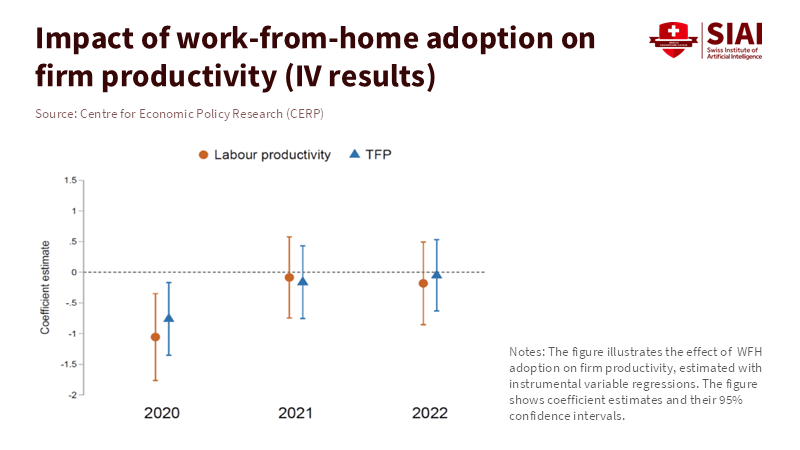
The first drop in how much people were getting done in 2020 shows that companies weren't ready for remote work. But after that, things got better as companies updated their systems.
Now that we're further into this decade, companies are getting better at remote work. Surveys from 2024 show that companies with effective remote systems keep 15% more employees than those still doing things the old way. That's because they're no longer treating remote work as an emergency. They've put in place effective software that lets people really focus and work together efficiently. These programs don't just replicate what the office does; they improve it by eliminating the interruptions you experience in open office spaces. The result is a work environment that's more about getting things done and where people are more focused. For those who still think everyone needs to be in the office, it's costly to maintain expensive buildings and manage people in person, which is making it harder for them to compete.
Closing the Gap in Remote Work systems output
People who don't like remote work often say it hurts innovation and early career connections. But recent studies from 2024 suggest that planned online interactions can work just as well as random meetings if you have the right setup. The remote systems approach substitutes accidental chats with purposeful meetings. Instead of hoping people will run into each other, companies that do things right use web platforms to create teams among departments and make information easy for everyone to find. This makes sure that information isn't stuck in one area but is available to all. The output problem isn't caused by being far apart; it's caused by poor records and a lack of openness online. Companies with sound computer systems and skilled workers achieve the greatest gains in output, demonstrating that success comes from the right setup, not just from being in the same place.
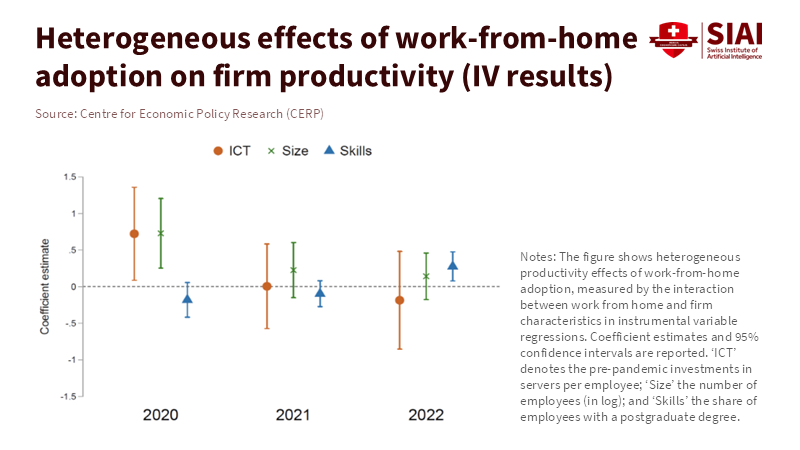
To see how much these systems matter, we can examine how long it takes for new workers to become fully productive. In 2025, the numbers show that companies with online onboarding systems get new workers up to speed 20% faster than companies that do things the old way. That's because companies set up for remote work have to document every process and make every tool easy to access. There's no learning by watching, which is often just a nice way of saying there's no real training. By making themselves explain exactly how things get done, these companies create a stronger, more easily growing workforce. The initial loss of output during the change was just the cost of finding these hidden problems. Now that the systems are in place, the benefits are beginning to accumulate.
Losing the People Competition
For companies that are doing things the old way, the biggest problem isn't just the cost of office space. It's that the best people are leaving fast. As of 2024, nearly 70% of skilled workers in tech and education report they wouldn't accept a job that requires them to be in the office five days a week. This liking for remote systems isn't about being lazy. It's about gaining control over your life and not wasting time commuting, which is basically working for free. When the most talented people want flexibility, the companies that don't offer it are left with fewer and fewer good choices. Over time, this creates a cycle in which traditional companies lose their best people, innovation slows, and they become even less appealing to new talent.
The job market has reached a point where remote-friendly rules aren't just a nice bonus; they're a fundamental requirement to stay competitive. It's thought that by 2026, the talent premium—the extra money you have to pay to get someone who prefers remote work to come into the office—will go up to 20% or more. Most companies can't afford that. The cost of hiring in a limited local market, combined with the higher salaries office-bound workers demand, creates a considerable financial burden. Meanwhile, companies that embrace remote work can hire the best person for the job, regardless of location. This global approach to hiring offers much more variety and expertise than a local office could ever provide.
Education and Remote Work systems
The last thing holding back the widespread use of remote systems is cultural, not technical. Many leaders still think that seeing work means managing work. It is a thought that requires leaders to totally rethink how they lead. We need to move toward trusting people and reviewing their work, with checks grounded in the information our online tools provide. In education, this means leaders must trust their teachers to deliver results without constantly monitoring them in person. It means focusing on how students are doing and how clear the lessons are, rather than how much time teachers spend in the staff room. When we focus on the system rather than the setting, we create a level of flexibility that enables real change in the way we teach and learn.
By 2030, the idea of going to work will probably seem as old-fashioned as operating a rotary phone. As computer tools keep improving—with virtual reality and AI assistants that make collaboration seamless—the physical office will become something special rather than the norm. The output gains we're seeing now are just the beginning. As we improve our remote systems, we'll find new ways to work together that we can't yet conceive. The companies and schools that understand this now and invest in their online setups will be the ones that lead the next century. Those who are reluctant to adapt will be stuck paying for empty buildings and dealing with a shrinking number of unhappy workers.
The days of having to be in a certain place to be productive are over. We've gone from being forced to adapt to strategically improving how we work. The initial issues with the change have been resolved, and the benefits of remote systems are clear across all fields. The message is clear: We have to lead this change, not just follow along. We need to build systems that enable our staff and students to work from anywhere, with a focus on the quality of their work rather than their location. There is a simple thing to do: stop trying to recreate the past and start building the future setup that's already here. Those who invest in systems today will be the leaders of tomorrow; those who wait will miss out.
The views expressed in this article are those of the author(s) and do not necessarily reflect the official position of the Swiss Institute of Artificial Intelligence (SIAI) or its affiliates.
References
Bloom, N., et al. (2024). Winners and Losers from Remote Work. VoxEU, CEPR.
SoftwareSeni. (2023). Remote Work vs. Office Productivity: What Research Actually Shows.
Bafdil, M. (2023). Remote vs. Hybrid vs. Office: What the Data Says About Productivity. Medium.
ActivTrak. (2024). The State of Workplace Productivity.
Global Workplace Analytics. (2024). The Economic Impact of Remote Work.
LinkedIn Economic Graph. (2024). Workforce Trends and Remote Work Preferences.
Microsoft. (2024). Work Trend Index Annual Report.
Society for Human Resource Management (SHRM). (2024). Talent Trends and Remote Work.
Yomly. (2024). Remote Work Statistics and Trends for 2024-2025.
Catherine McGuire is a Professor of Computer Science and AI Systems at the Gordon School of Business, part of the Swiss Institute of Artificial Intelligence (SIAI). She specializes in machine learning infrastructure and applied data engineering, with a focus on bridging research and large-scale deployment of AI tools in financial and policy contexts. Based in the United States (with summer/winter in Berlin and Zurich), she co-leads SIAI’s technical operations, overseeing the institute’s IT architecture and supporting its research-to-production pipeline for AI-driven finance.