Financial

US fiscal sustainability is strained; interest now tops defense Italy rebounds with primary surpluses; France lags with 5%+ deficits A near-term US primary surplus would stabilize debt and shield education
Read More
EU freezes ~€210bn; windfall profits flow, not principal Route proceeds via EU/G7 loans to steady, education-first support Preserve trust: strict legality, transparency, shared risk A single number now shapes the conversation: a
Read More
Benefits and working conditions make up a third to two-fifths of pay Unions shift value into enforceable rights when cash is tight, boosting retention Measure and fund non-monetary compensation to stabilize schools
Read More
Omnibus simplification risks deepening Big Tech lock-in Bind it to portability, open APIs, and switching If others copy, copy the guardrails—not consolidation Europe spent roughly €61 b
Read More
EU-Bonds cost more than Bunds due to design and index rules Make them sovereign: permanent issuance, one agency, hedging tools, clear own resources Tighter spreads free billions for education and investment In mid-2025, the European Comm
Read More









The fiscal sentiment multiplier can crowd in investment—if credit is open and demand credible Japan’s new stimulus tests this channel amid record debt, higher yields, and shaky confidence Aim spending at skills-linked, high-productivity sectors to avoid over-investment and lock in growth
Read More
Stagflation: Abenomics won’t work Targeted relief; skills first Credible consolidation; productivity growth Alarming data, not just rhetoric, backs Japan’s stagflation.
Read More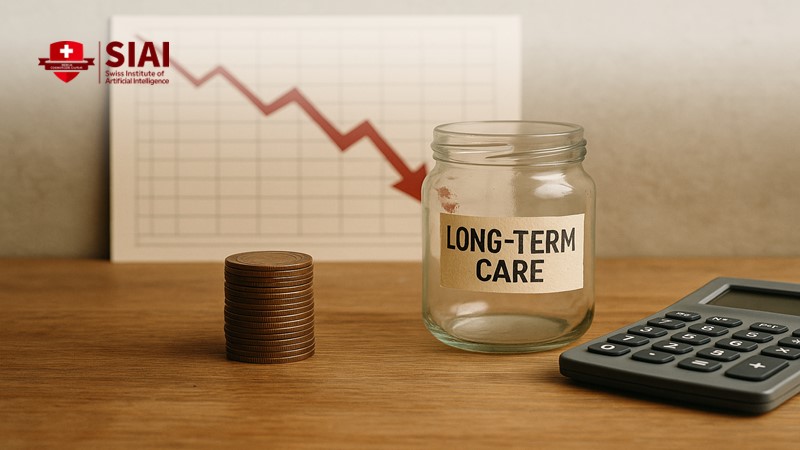
Shocks drain savings and push retirees to Medicaid Make LTC countercyclical: shock-based eligibility, rapid HCBS, reinsurance Pre-fund modest universal benefits to slow spend-down and keep care at home
Read More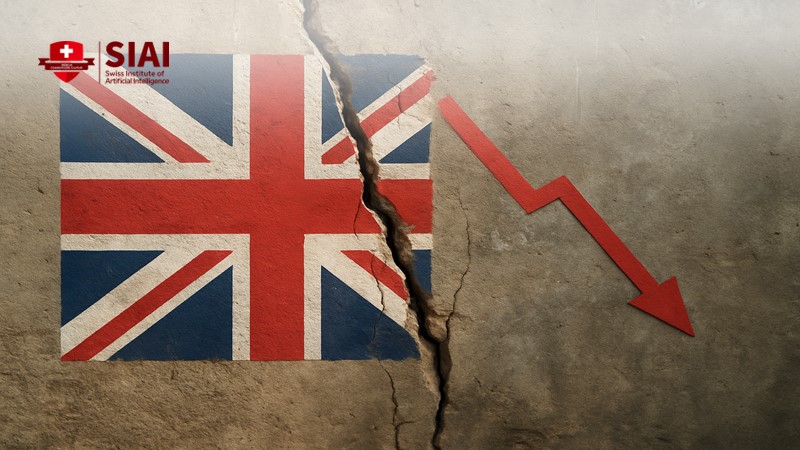
UK GDP per head is 6–8% below its no-Brexit path The slow-burn hit was masked by transition rules and the pandemic Without lower frictions and restored mobility, the drag endures; the U.S.
Read More


QR code payments cut entry costs and let micro-merchants sell digitally Cash use is falling, ATMs are shrinking, and cards and wallets are rising Policy should standardize open QR rails, keep fees low, and teach acceptance skills In
Read More
Thick markets discourage energy-efficient renovations Thin markets often push owners to upgrade Subsidies should depend on local market thickness Energy-efficient housing renovations are meant to be the quiet wo
Read More

Trade benefit ratio maps hidden partner losses Heterogeneity stems from supply diversity Policy and education: protect high-ratio sectors, diversify The key number to start the debate isn’t the tariff rate or the trade defic
Read More
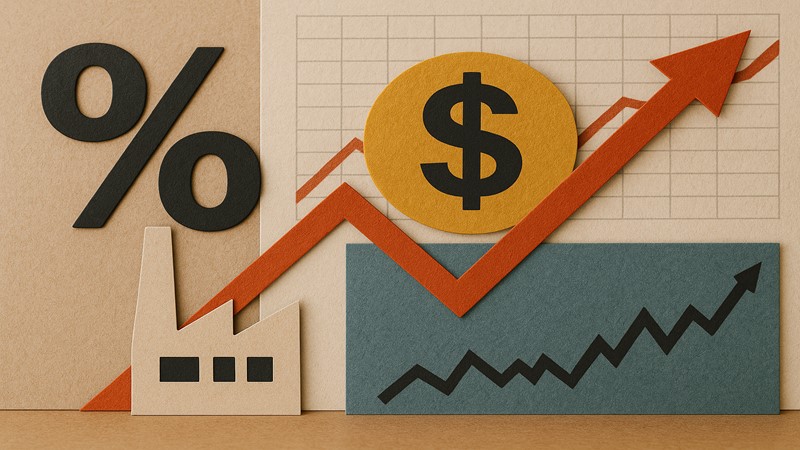
Big firms helped drive the 2021–2022 inflation surge Granular data links market power and inflation Policy and teaching must reflect this granular reality In late 2022, inflation in the euro area reached a peak of 10.6%.
Read More
Export restrictions shift rare earth profits and risks inside producing countries Indonesia and China gain leverage but concentrate benefits in big firms Stronger labour and environmental rules are needed so local communities share the gains
Read More
Euro stablecoins can limit digital dollar dominance MiCA rules let Europe steer stablecoins toward multilateral payments Education and public sectors can jump-start euro stablecoin use One number captures t
Read More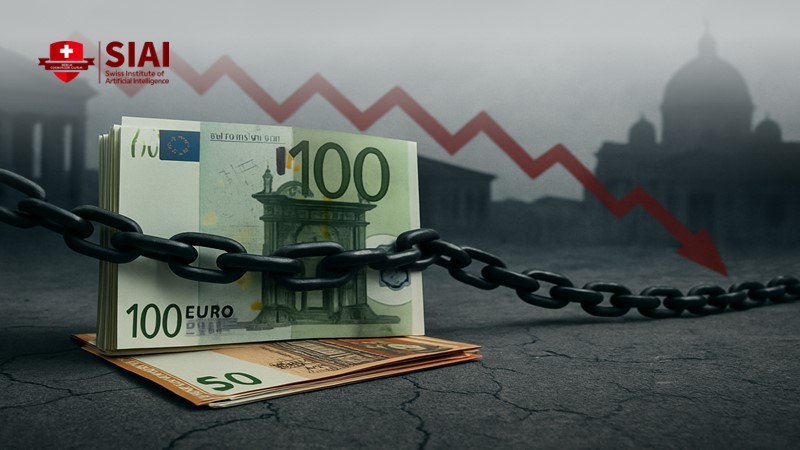
French fiscal stress is raising the risk of eurozone debt contagion Shocks in France or Italy would spill into Spain, Greece, and the Balkans through banks and bond markets A permanent ECB–ESM backstop is needed to protect public investment, especially education
Read More
US interest costs are soaring and debt is mounting This US federal debt crisis squeezes education and future investment The article urges early fiscal reform that shields human capital In fiscal year 2025, the
Read More